Film Photography Revival
T.K. Broecker / 19 October 2025
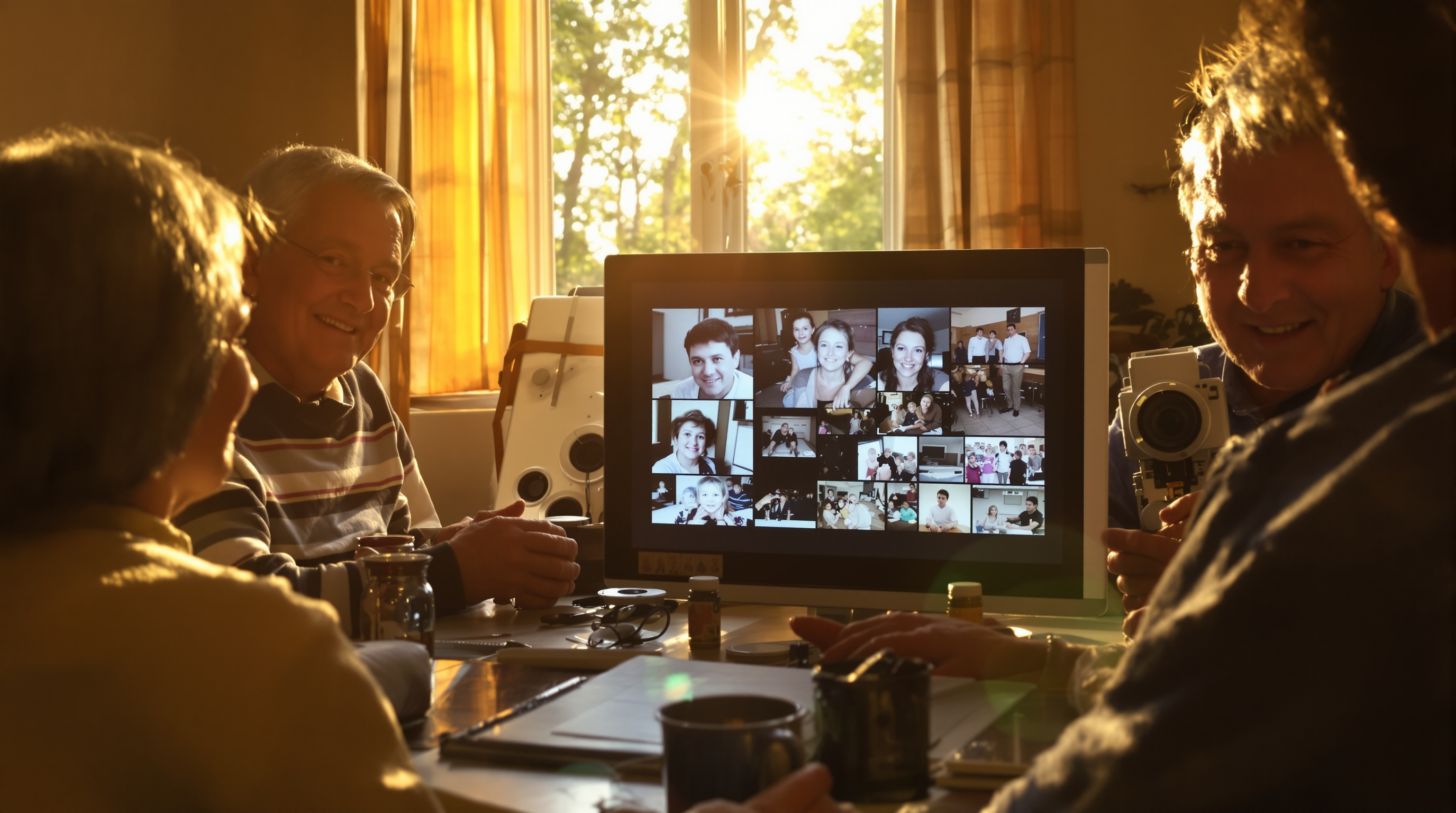
Film is still made, still sold and still developed, including at our lab on Westport Road in Louisville. Here is why people shoot it, how a roll of color film is developed, and what it costs to have a lab develop it for you.
Why Film Photography is Making a Comeback
Film captures light differently than digital sensors, producing unique grain patterns, color rendition, and tonal ranges many consider impossible to authentically mimic with software.
- • A slower, more deliberate approach encourages intention.
- • Each frame has a cost—compositions become more thoughtful.
- • Delayed gratification builds anticipation and focus.
- • Physical negatives provide archival permanence.
The beloved “film look”—halation, natural grain, and nuanced color—adds an organic, human quality that resonates emotionally beyond digital perfection. For photographers bridging capture and output, maintaining that character through the shooting and printing process is key to preserving the essence of film in the final print.
Understanding 35mm Film Developing
Developing transforms exposed film into visible images through time-tested chemistry—a practical necessity and a meditative ritual dating back to the early 20th century.
Standard Color (C-41) Steps
- Development: Exposed silver halides convert to metallic silver while color dyes form.
- Bleaching: Developed silver is removed, leaving dye images.
- Fixing: Remaining unexposed silver halides are dissolved.
- Stabilizing/Washing: Residual chemistry is cleared and the image preserved.
Black and white is simpler: usually developer, stop bath and fixer. You can develop film at home with a kit, a tank and some practice. If you would rather have a lab do it, developing at The Print Refinery Louisville East starts at $4.50 for a roll of 35mm color film. That price covers developing only, and you can add scans or prints when you order. See every format and price on our film processing order page.
In the darkroom, working under safelights and watching images appear in trays offers a tactile connection that digital workflows can’t match. When you want prints from your negatives, we can make photo prints too.
Color Film vs. Digital Imaging
Film’s color arises from layered light-sensitive emulsions with silver halides and dye couplers responding to different wavelengths. This chemistry produces stock-specific palettes and highlight behavior distinct from digital.
- • Color Depth: Analog gradations are especially smooth in highlights and shadows.
- • Color Palette: Stocks have signature looks—Kodak Portra (warm, flattering skin tones) vs. Fuji Superia/Velvia (cooler or highly saturated landscapes).
- • Highlight Roll-off: Film tends to taper gracefully where digital may clip abruptly.
Film photographers often choose stocks to match mood at capture—unlike the common digital approach of shooting neutral for later manipulation.
The Thriving Film Community & Practical Tips
If you are starting out, buy a few rolls, shoot them, and have them developed and scanned so you can see what worked. You can buy film from us, and our film size guide helps if you are not sure what your camera takes.
Getting Started
- Start with versatile films like Kodak Gold 200 or Ilford HP5 Plus.
- Learn your camera’s meter or carry a handheld meter.
- Use the Sunny 16 rule: in bright sun, set shutter to 1/ISO at f/16.
- Overexpose color negative slightly (⅓–1 stop) rather than underexpose.
- Keep exposure notes to accelerate learning.
Reliable Vintage Bodies
- Canon AE-1
- Pentax K1000
- Olympus OM-10
Where can I get film developed in Louisville?
At The Print Refinery Louisville East, we develop color film in our own lab, plus black and white film and disposable cameras. Drop your rolls at the counter or mail them in, and get your scans by email. See every format on our film developing page.
Call (502) 339-1999, visit us at 9451 Westport Road, Suite 119, Louisville, KY 40241, or start your order online at our film processing page.