What film sizes do we develop?

From classic 35mm to large-format 120, we develop a variety of film sizes. Here's a quick guide to help you identify what you've got.

Film sizes we develop

Not sure what type of film you have? Here's a quick look at the four formats we develop.
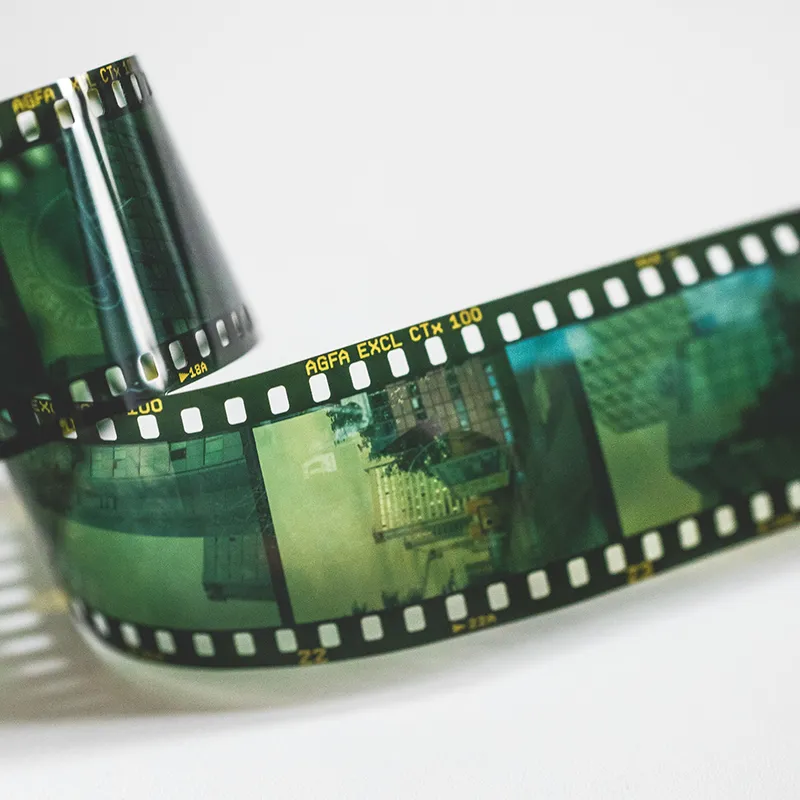
35mm film sample

35mm

The most common film format, used in standard point-and-shoot and SLR cameras. Comes in canisters and typically yields 24 or 36 exposures per roll.
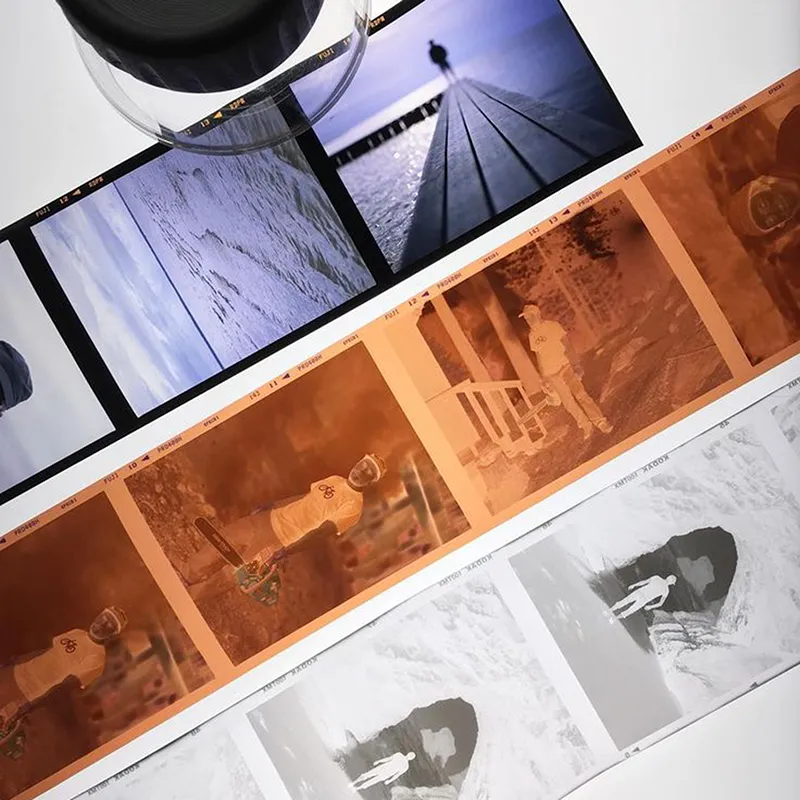
120 film sample

120

A medium-format film used in larger cameras, producing bigger negatives with more detail. Popular among hobbyists and professionals for higher image quality.
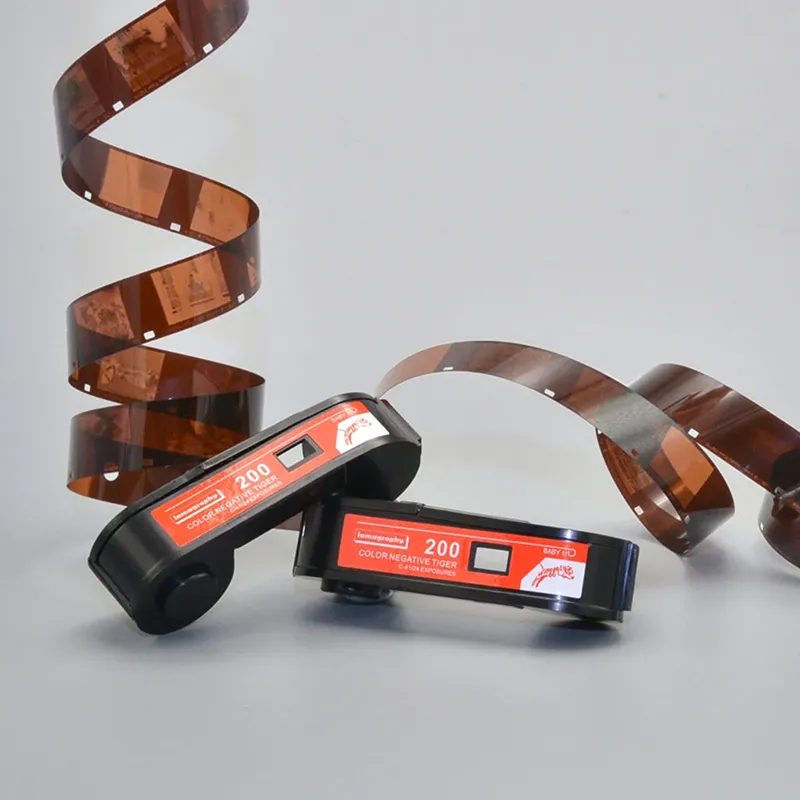
110 film sample

110

A compact cartridge format popular in the 1970s and 80s for small, easy-to-use cameras. Produces smaller negatives with a distinct vintage look.
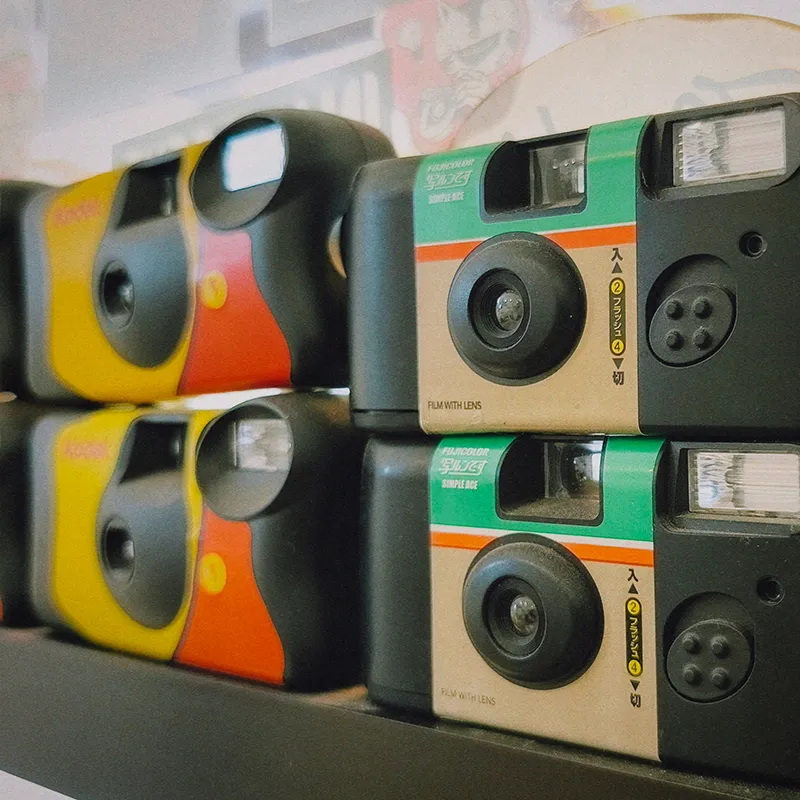
Disposable camera film sample

Disposable

Pre-loaded single-use cameras, typically using 35mm film. A fun, low-effort way to capture casual moments, with that classic film charm.

How they compare

Negative size

120 produces the largest negatives, followed by 35mm. 110 and disposable cameras (which typically use 35mm) produce smaller frames with a more cropped feel.

Image quality

120 offers the sharpest detail thanks to its larger frame. 35mm is a close second, while 110 has a softer, grainier look by design.

Camera type

35mm and 120 are used in dedicated film cameras. 110 cameras are compact and simple. Disposables come with the camera built in — no equipment needed.

Best for

35mm — everyday shooting. 120 — high-quality, large prints. 110 — nostalgic, vintage style. Disposable — casual events & travel.

Questions

What film sizes do you develop?

We develop 35mm, 120, 110 and disposable cameras, along with APS and 126. That covers color negative and black and white film.

How can I tell 35mm and 120 film apart?

35mm comes in a small metal canister with the film tucked inside. 120 is wider film rolled on a spool with paper backing and no canister. If you’re still not sure, bring it in and we’ll tell you in a second.

Do you develop slide film?

No, we don’t develop slide film. We develop color negative and black and white film.

Can you develop a disposable camera?

Yes. Bring in or mail the whole camera just as it is, and we’ll take care of getting the film out and developing it.

Do you develop expired film?

Yes, as long as it’s color negative or black and white film. Just know that older or heat damaged film can come back with color shifts, extra grain or faded images. That’s part of the fun of shooting expired film, but we can’t guarantee how it’ll turn out.

How much does film developing cost?

Developing starts at $4.50 for a roll of 35mm color film. Color 110 and 120 are $5.50, and black and white is $5.50 for 35mm and $6.50 for 120. That covers developing only. You can add scans or prints when you place your order.

How long does film developing take?

Usually just a few business days once your film reaches us. If you’re mailing it, give the post office a few extra days on each end.